BlogsPlant identification
How to identify plants: a practical photo guide
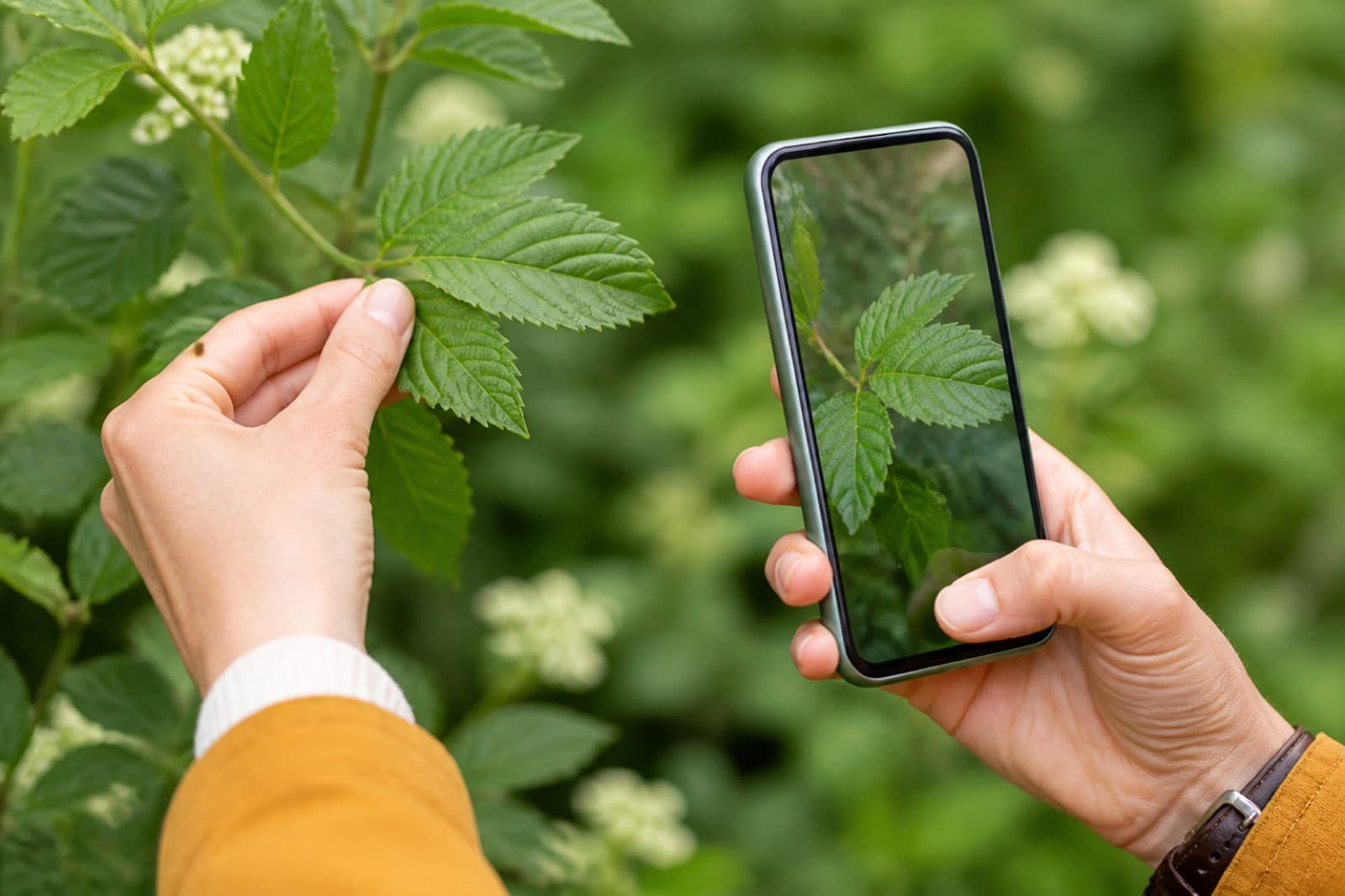
Learning how to identify plants used to mean flipping through field guides and memorizing leaf charts. Today, a clear photo plus a few observation habits can get you to a reliable name much faster — whether you are on a hike, in a garden center, or looking at a houseplant on your desk.
1. Start with the right plant part
Good identification begins with what you photograph. Focus on one clear feature at a time:
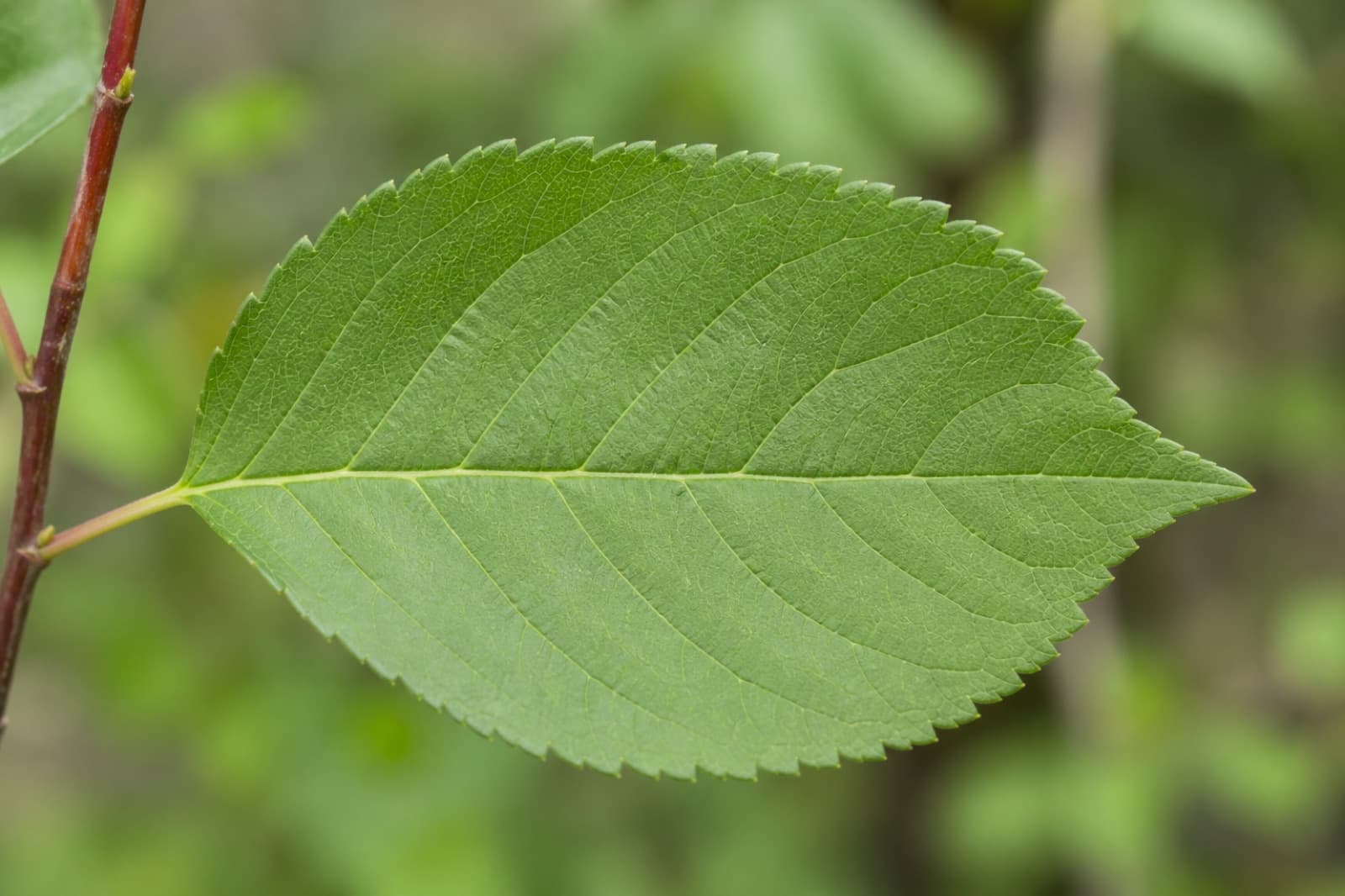
- Leaves — shape, margin, vein pattern, and arrangement on the stem
- Flowers — petal count, color, and center structure
- Bark or trunk — useful for trees when leaves are high or seasonal
- Fruit or seed — often decisive for look-alike species
Avoid busy backgrounds and heavy filters. Natural light and a sharp focus beat a close-up that is dark or blurry.
2. Note context that photos alone may miss
When you are learning how to identify plants, jot down a few clues: is it indoor or outdoor, sunny or shady, wet soil or dry, vine or shrub? Location and growth habit help narrow species that look similar in a single leaf shot.
3. Compare common name and scientific name
Common names vary by region. A scientific name (Latin binomial) is more stable and useful when you search for care notes later. A solid identification result usually returns both.
4. Use a free plant identifier for a fast first match
After you take a clear photo, upload it to a free plant identifier. AI tools compare leaf shape, color, and structure against large image sets and return candidate names with confidence scores. For conversational searches like what is the name of that plant, the same photo-first workflow applies.
5. Confirm before you act
Treat the top match as a strong lead, not a final verdict — especially for edible foraging or toxicity questions. Cross-check leaf and habitat details, and when stakes are high, ask a local nursery or extension service.
Quick workflow checklist
- Photograph one plant part in good light.
- Capture a second angle if the first result looks uncertain.
- Run the image through a plant identifier.
- Read the confidence score and description.
- Confirm with a second source before eating or major pruning.
Once you practice this sequence a few times, how to identify plants becomes less about memorizing every species and more about collecting the right evidence.
Ready to identify a plant from a photo?
Use our free online plant identifier — no signup required.
Try the plant identifier