BlogsPlant guides
Elephant ear plant: how to recognize those giant leaves
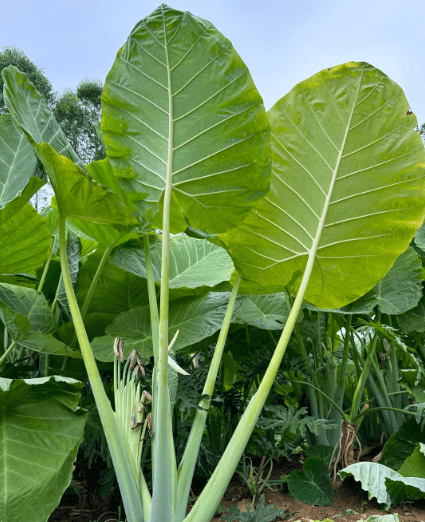
If you have ever walked past a garden and wondered what those massive, ear-shaped leaves are called, you were probably looking at an elephant ear plant. The nickname comes from the size and outline of the foliage: broad, dramatic, and hard to miss once you know what to look for.
Gardeners use “elephant ear” as a common name for several related tropical plants — most often Colocasia, Alocasia, and sometimes Xanthosoma. They share a bold look, but their growing habits are not identical. Learning the differences helps you identify the plant correctly and keep it healthy.
What makes an elephant ear plant easy to identify?
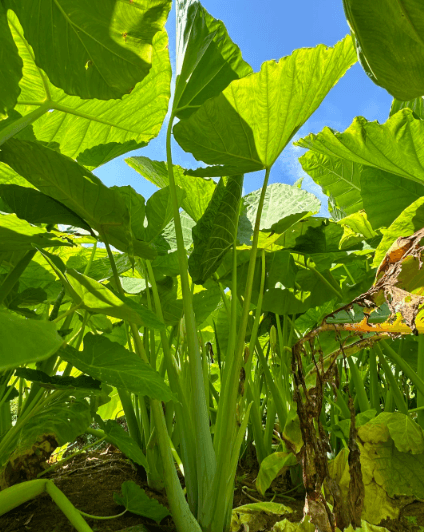
Start with the leaf. A typical elephant ear plant has large, arrow- or heart-shaped blades with a prominent midrib and pale radiating veins. From a low angle, the leaves can look like a living canopy. Thick petioles (leaf stalks) rise from the base and support the heavy foliage, which is why the plant feels architectural even in a small garden bed.
In bloom, some elephant ear plants produce a spadix wrapped by a spathe — a classic aroid flower structure. The blooms are often secondary to the foliage show, but they can help confirm you are looking at an aroid rather than an unrelated tropical leaf.
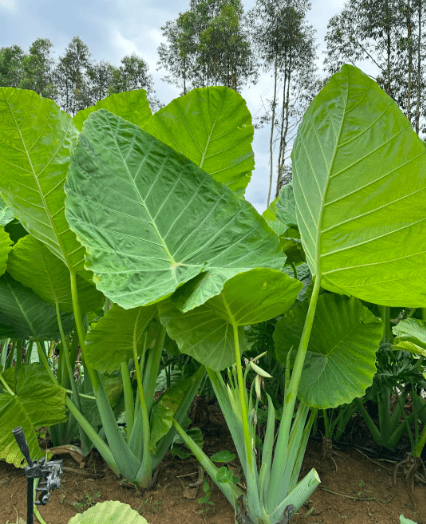
Alocasia vs Colocasia: same nickname, different habits
Both groups are sold as elephant ear plants, so labels can be confusing. A practical field tip:
- Colocasia leaves often point downward or outward and prefer consistently moist soil.
- Alocasia leaves more often point upward or outward and usually want airy, well-draining mix when grown in containers.
If you are unsure which elephant ear plant you have, a clear photo of the whole plant — leaf angle, stalk, and base — is more useful than a close-up of one leaf tip. You can also use our free plant identifier to compare the common and scientific names quickly.
Where elephant ear plants grow best
These plants love warmth, humidity, and generous light without harsh afternoon scorch in hotter climates. Outdoors, they make dramatic borders and pond-edge statements. Indoors, choose a bright room and give the pot enough width for the rhizome or tuber to expand.
Because cultivars vary widely — from lime-green giants to dark, almost black foliage — matching the plant to your climate matters more than chasing the biggest leaf on a nursery tag.
A deeper elephant ear plant care reference
For a fuller species overview — including cultivar notes and practical growing details — read Anthaly's dedicated guide: elephant ear plant care and identification on Anthaly. It is a clear companion resource if you want more than a quick ID and are ready to grow the plant long term.
Quick checklist before you buy or plant
- Confirm leaf shape, vein pattern, and stalk thickness in person.
- Ask whether the plant is Alocasia, Colocasia, or another aroid.
- Match water needs: some elephant ear plants dislike drying out.
- Plan space — mature leaves can dominate a patio or living room corner.
Once you know you are dealing with an elephant ear plant, identification becomes the easy part. The real win is choosing the right type for your light, humidity, and available space.
Think you spotted an elephant ear plant?
Upload a photo and confirm the plant name with our free identifier.
Identify that plant from a photo